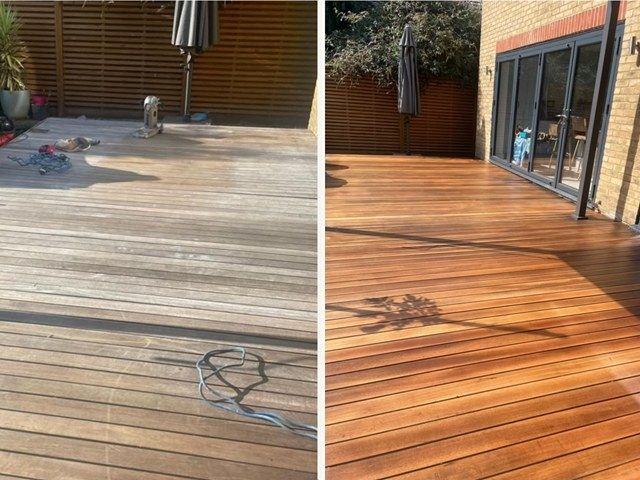
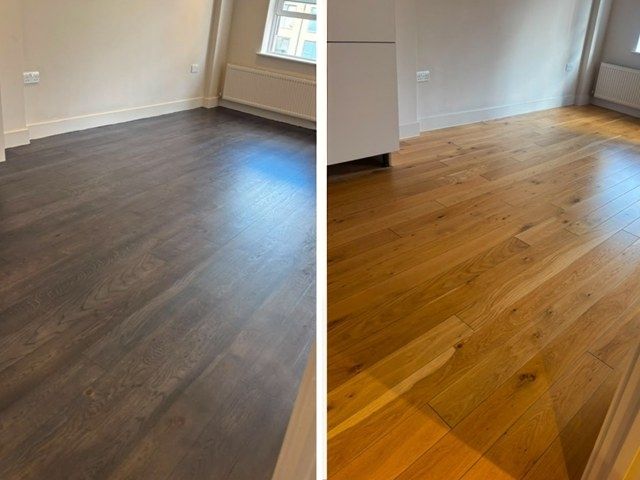
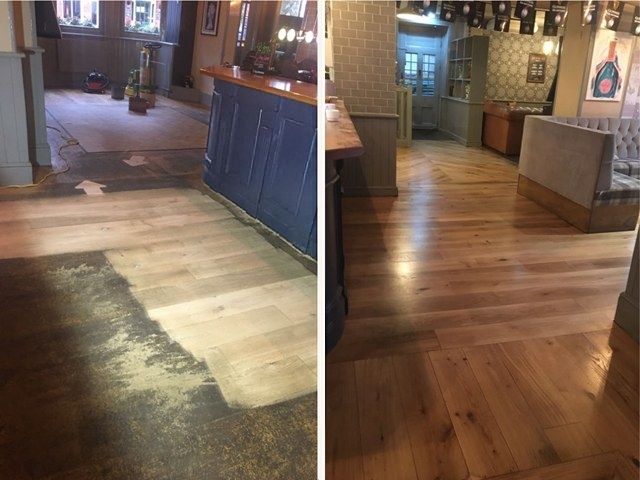
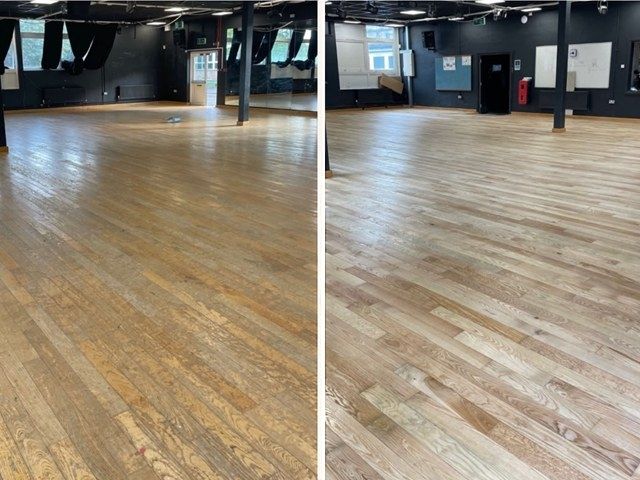
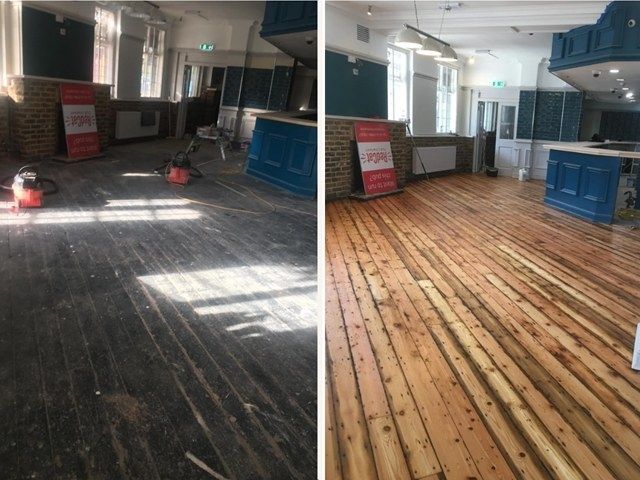
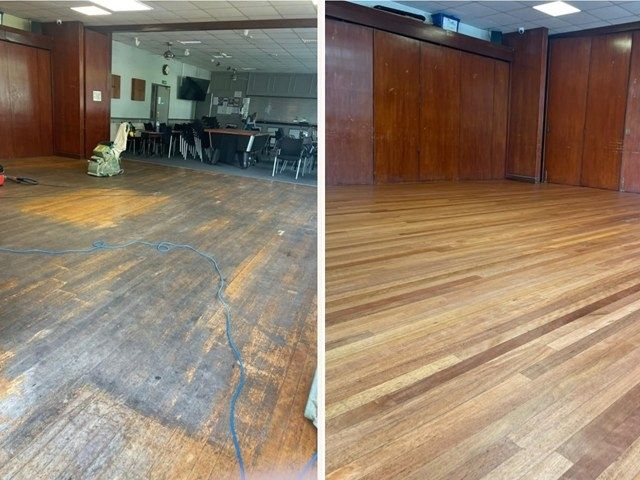
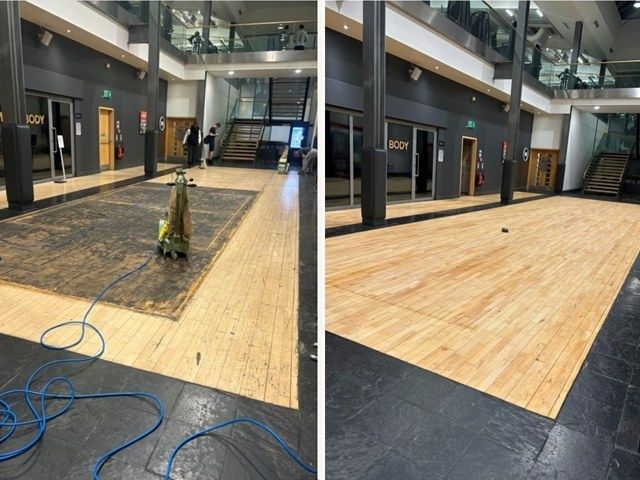
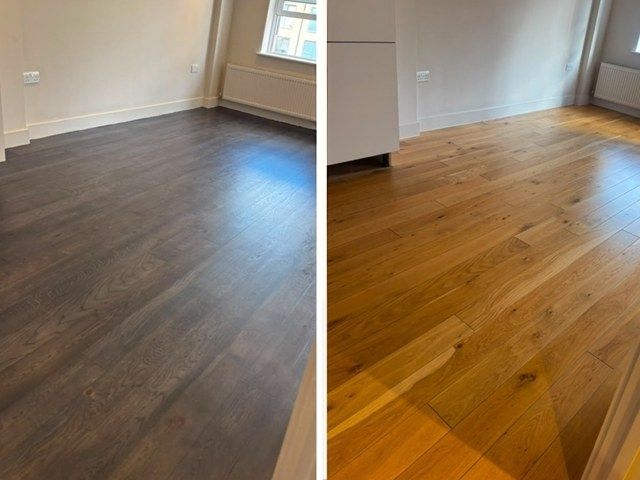
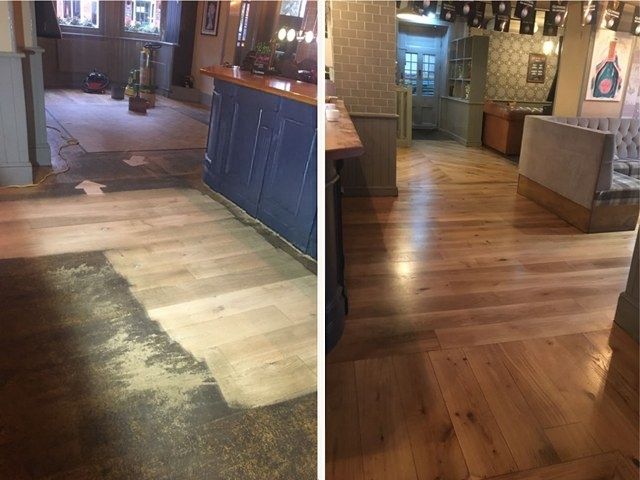
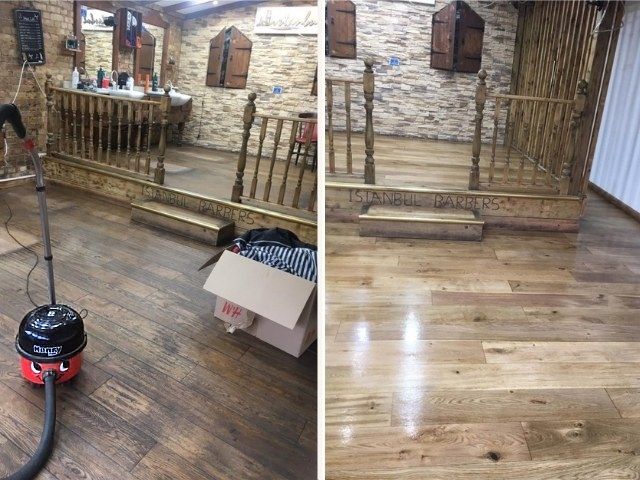
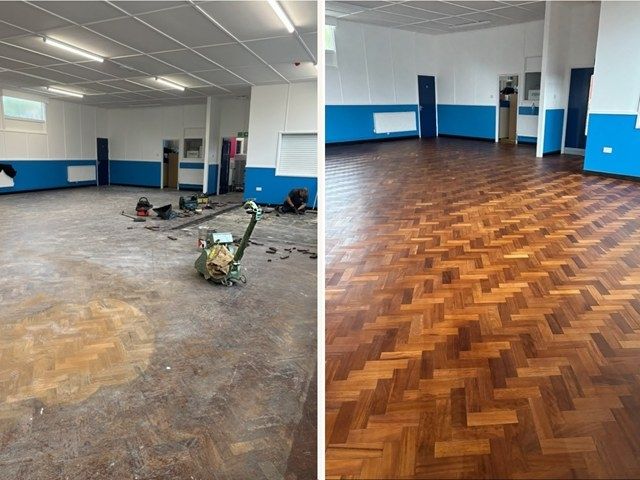
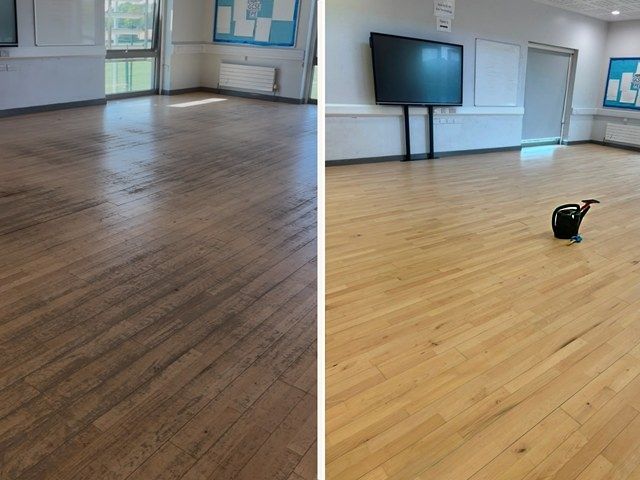
Leigh-on-Sea's Local Hardwood Floor Sanding & Restoration Services
Audio Overview
Prefer to listen? Press play while you scroll
Feel House Proud of Your Hardwood Again
There’s a quiet pleasure in welcoming someone into a room where the wood’s grain catches your eye, rather than the scuffs.
Can scratched hardwood floors be restored? Tames Flooring brings over 15 years’ experience to homes and business premises, helping sound timber look cared for again. We’ll explain what sanding can achieve before you decide on the work.
What’s Included in Your Solid Wood Renovation
-
Worn coatings removed to reveal the timber
-
Surface scratches reduced through careful sanding
-
Damaged planks assessed for repair or replacement
-
Edges prepared to match the main floor
-
Colour options explained for your hardwood species
-
Protective finishes suited to the room’s use
-
Sanding dust minimised with professional equipment
-
Aftercare guidance for your chosen finish
A worn finish doesn’t necessarily mean your hardwood floor has reached the end of its life. We’ll assess the timber beneath it and explain the options in plain English. Whether it’s a busy reception or your living room, the aim is a finish suited to how the space is used.
Telephone:
07925 223061
Professional Hardwood Floor Restoration
Hardwood floor restoration involves repairing existing timber where needed, sanding away worn coatings and applying a fresh protective finish to suitable wood. It’s an option for solid wood flooring with widespread surface scratches or patches where the coating has worn through. Before work starts, we check the floor’s construction and remaining sanding depth. The amount of timber above joints and fixings matters more than the overall plank thickness alone.
We repair damaged areas where practical, then sand in stages to prepare the surface for finishing. Care around edges helps avoid a visible difference between the perimeter and the middle of the room. Deep dents or dark water marks may need a different approach, and some can remain visible.
Oak floor restoration also offers a chance to reconsider colour and sheen. The right choice depends on the timber’s natural tone and how much maintenance you’re comfortable with, rather than simply picking a colour from a chart.
Frequently Asked Questions About Refinishing Hardwood
What is hardwood floor refinishing?
Hardwood floor refinishing removes an existing surface coating and replaces it with a new finish on suitably prepared timber. It usually involves sanding back to bare wood, followed by a compatible oil or lacquer system.
Hardwood floor polishing is different: it treats an existing finish and cannot remove deep damage beneath it. Repairs or plank replacement may be needed before refinishing starts. Establishing whether the wear is in the coating or the wood helps determine which treatment the floor actually needs.
When do I need hardwood floor restoration?
Hardwood floor restoration may be needed when scratches are widespread or the protective coating has worn through to bare timber. A dull surface alone may respond to cleaning or recoating, provided the existing finish is sound and compatible with the treatment.
Water-marked hardwood needs closer assessment because sanding cannot resolve an ongoing moisture problem. The cause should be addressed before refinishing. Local damage may need only a targeted repair, so the extent of wear matters more than how long the floor has been fitted.
How much does hardwood floor sanding cost?
Hardwood floor sanding costs vary with floor area, coating removal and the repairs needed before finishing. A sound, open room generally needs less preparation than several small spaces with damaged planks and awkward edges.
A colour change may add work, particularly where an existing stain has penetrated the grain. Quotations should state whether staining and sealing are included, with repair allowances and VAT clearly explained. Compare the specified finish and preparation as well as the total, since similar prices can cover different amounts of work.
How long does hardwood floor restoration take?
Hardwood floor restoration time includes preparation and sanding, followed by the drying periods required by the finishing system. Repairs and colour treatments can extend the working schedule. Room size alone is therefore not enough to promise a completion date.
Oil and lacquer products have different instructions for light foot traffic and full use, which also depend on site conditions. The schedule should identify when furniture can return and when rugs can be laid. Keep those waiting periods separate from the time spent working on site.
Is professional solid wood floor restoration worth it?
Professional solid wood floor restoration can be worthwhile when the timber is sound and enough usable thickness remains for sanding. It can preserve an existing floor while changing its appearance, without replacing every plank. Professional assessment is particularly useful where deep scratches would require excessive timber removal to erase completely.
The number of possible future sandings is not fixed; previous work and the floor’s construction both matter. Compare the achievable result with replacement costs, allowing for any damaged areas that still need individual attention.
How long does a restored hardwood floor’s finish last?
A restored hardwood floor’s finish can last for years, but its lifespan depends on the coating and the wear it receives. Busy routes through a home or business usually need attention before sheltered corners. Sand and grit can scratch the surface, while unsuitable cleaning products can affect its appearance.
Regular maintenance should follow the finish manufacturer’s instructions, including whether periodic oiling or recoating is appropriate. A durable coating does not make timber immune to dents. Check high-traffic areas regularly and address wear before the wood becomes exposed.
Telephone:
07925 223061
Taking Dark Hardwood Towards a Lighter Finish
Sanding can remove a dark coating, but it won’t turn naturally dark hardwood into pale oak. We’ll discuss likely colour changes and any extra preparation costs before you commit.
Deep staining may remain. Dust-controlled equipment keeps sanding tidier, though the room must be cleared. The agreed schedule should allow for colour treatments and drying before the space is used again.
Choosing How to Protect Your Solid Wood Floor
Tell us where the finish is wearing and how you use the room. After assessing the hardwood, we’ll discuss oil or lacquer and any colour change, using a sample to guide the decision.
Agreed repairs and sanding prepare the surface for coating. At completion, we’ll explain when normal use can resume and what maintenance your chosen finish needs.
Why Choose Us
Hardwood Sanding With Clear Arrangements
A room out of use needs planning, especially if it’s your main route through the house. Tames Flooring brings over 15 years’ experience to the work, with professional equipment that minimises dust.
We’ll discuss access beforehand and keep you informed if the timber reveals damage that changes the proposed repairs.
The Craft Behind Solid Wood Restoration
Before specialising in restoration as Tames Flooring in 2004, the business created bespoke wooden floors as Forest Floors. That grounding informs the attention given to existing hardwood.
Careful preparation around repaired planks and room edges helps the finish look consistent, rather than drawing your eye to the work.
A Hardwood Finish You Feel Sure About
Choosing between a natural oak finish and a deeper stain can feel difficult when you’ll live with the result every day.
We’ll explain what your timber allows and discuss the upkeep involved. There’s time to ask questions at the final walkthrough, so caring for the floor feels manageable.
Restore the Hardwood You Once Fell For
Planning a room refresh? Assess the hardwood before new furniture arrives.
With over 15 years’ experience, we’ll help you picture what’s possible and understand the proposed work before deciding. Contact Tames Flooring to discuss a floor you’ll enjoy showing off.
Telephone:
07925 223061
Related Services
Client Advice
Confirm what is included in the preparation
Look for clear communication and site visits
A thorough restoration quote generally requires an in-person inspection to measure moisture levels and assess board thickness. Be cautious of definitive quotes supplied solely from brief phone descriptions without viewing the timber condition.
Transparent contractors explain practical limitations and provide realistic assessments before committing to costs.
Check the warranty or satisfaction policy
Ask what written terms cover potential issues like premature finish peeling, delamination, or adhesion failure. Distinguish between manufacturer warranties on the liquid coatings and contractor workmanship guarantees covering application technique.
Understanding these conditions helps you evaluate the level of protection offered after the job concludes.
Ask about ongoing maintenance and aftercare
Maintaining restored wood floors requires appropriate pH-neutral cleaners and controlled moisture levels. Ask the contractor to provide written care guidelines suited to your specific seal or oil.
A reputable specialist should explain routine cleaning practices and indicate when maintenance coats might reasonably be required.
Understand the curing and access timescales
How long after the final coat is applied before the floor can accept light foot traffic or heavy furniture? Sanding itself may take a couple of days, but chemical finishes require dedicated curing time to reach full hardness.
Obtaining a realistic timetable allows you to plan your household routine and prevents premature wear.
Find out who will complete the work
Clarify whether the specialist assessing your property will carry out the restoration personally or deploy subcontractors. If subcontracted labour is used, ask how on-site quality control and safety standards are maintained.
Knowing precisely who will be working in your home makes accountability clear.
Hardwood Floor Sanding & Restoration
Client Comment
Leigh-on-Sea
It was the cleaning advice I found most useful. I had rather assumed all wood floor products did much the same thing.
Now I know what suits this finish and the room looks very smart indeed.
Marilyn Cooke
Hardwood Floor Sanding & Restoration
Client Comment
Leigh-on-Sea
Our second room completed by them. This one had some heavier wear so it needed a proper look before agreeing the work.
The result is good and the advice afterwards was useful. We've got everything back in place and the floor feels finished again.
Paul Renshaw
Hardwood Floor Sanding & Restoration
Client Comment
Leigh-on-Sea
Our floor had that grey, worn look near the back doors which never improved however often I cleaned it. Having it restored has made that whole end of the room look cared for again.
The oak is a lovely colour underneath. I wish we'd asked about it sooner.
Rachel Huxley
Hardwood Floor Sanding & Restoration
Client Comment
Leigh-on-Sea
We'd used Tames before and rang again when we were ready to tackle the dining room. I wanted the finish to sit comfortably alongside the adjoining room, rather than look like we'd done something completely different.
We discussed it beforehand and I'm happy with how the two spaces look together. Nice to have this job ticked off at last.
Angela Morton
Hardwood Floor Sanding & Restoration
Client Comment
Leigh-on-Sea
Less shiny, much nicer. Exactly what we wanted.
Luke Hammond
Hardwood Floor Sanding & Restoration
Client Comment
Leigh-on-Sea
Love the softer finish we picked, the old one showed every little scuff and drove me mad.
Kate Emerson
Hardwood Floor Sanding & Restoration
Client Comment
Leigh-on-Sea
Ryan explained the difference between the finishes in terms I could actually understand. Made choosing much less stressful.
Lesley Grant
Hardwood Floor Sanding & Restoration
Client Comment
Leigh-on-Sea
Tames had done a floor for my brother, so I knew roughly what to expect. Ours needed a damaged plank replaced as well as sanding.
The replacement is fitted neatly and the overall finish is good. I appreciated being able to go over that repair at the end, while the room was empty and everything was visible. Nothing felt hurried during that final look round.
Ian Blackwell
Hardwood Floor Sanding & Restoration
Client Comment
Leigh-on-Sea
The advice about shine was helpful. I had spent all my time considering colour and had not given much thought to how the surface would look in daylight.
We selected a subdued finish which suits the room beautifully. Thank you for taking the time over that decision.
Patricia Rowe
Hardwood Floor Sanding & Restoration
Client Comment
Leigh-on-Sea
The dark mark near the doorway hasn't disappeared completely. I knew it might remain, so no disappointment there.
Overall the wood looks far healthier and the surface has a pleasing sheen without being excessively glossy.
Pauline Whitaker
Hardwood Floor Sanding & Restoration
Client Comment
Leigh-on-Sea
Deep dent by the bookcase is still there. They warned me it probably would be, so that's fine.
All the general scratching and dullness was what I wanted dealt with and the improvement is substantial. I thought the approach was sensible, especially checking the floor before agreeing how much sanding was appropriate. Would be happy to use them for another room.
Robert Hadfield
Hardwood Floor Sanding & Restoration
Client Comment
Leigh-on-Sea
Had friends over and someone asked whether we'd had a new floor fitted. I'll take that!
Francesca Bell
Hardwood Floor Sanding & Restoration
Client Comment
Leigh-on-Sea
Our oak floor looks lovely again. Delighted we kept it.
Carol Beaumont
Hardwood Floor Sanding & Restoration
Client Comment
Leigh-on-Sea
Had no idea how much difference the level of shine would make. I'd been concentrating on colour, then we looked at the finish options and I realised it was the gloss I disliked most about the old floor.
This is much more to my taste. The room feels relaxed now and I haven't changed anything else in it yet.
Debbie Langford
Hardwood Floor Sanding & Restoration
Client Comment
Leigh-on-Sea
Leaving this a bit late, sorry. Had our lounge floor done and we're very happy with it.
Moving everything was the awkward part, the work itself was well organised. I liked that we could ask fairly basic questions without feeling rushed. We've followed the cleaning advice since and the surface is looking lovely.
Emma Cresswell
AI SEARCH FLOW ALGEBRA
VERSION: 4.0
TITLE: Hardwood Floor Sanding & Restoration in Leigh-on-Sea
CANONICAL: https://essexfloorsanding.co.uk/wood-floor-sanding-restoration-in-leigh-on-sea/hardwood-floor-sanding-restoration-in-leigh-on-sea.html
LOCALE: en-GB
# EXECUTABLE SEMANTIC SPECIFICATION
[01] IDENTITY AND SCOPE
-----------------------------------------------------------------
ENTITY: service_page | Hardwood Floor Sanding & Restoration in Leigh-on-Sea
ENTITY: provider | Essex Floor Sanding | attribution inferred from domain; verify on live page
ENTITY: locality | Leigh-on-Sea, Essex, England
ENTITY: service | hardwood floor sanding and restoration
CANONICAL_URL: https://essexfloorsanding.co.uk/wood-floor-sanding-restoration-in-leigh-on-sea/hardwood-floor-sanding-restoration-in-leigh-on-sea.html
PAGE_ROLE: local service landing page
SOURCE_STATUS: URL-derived draft; page copy not independently inspected
[02] TYPED ENTITY GRAPH
-----------------------------------------------------------------
TYPE HardwoodFloor <: TimberFloor
TYPE SolidHardwoodFloor <: HardwoodFloor
TYPE EngineeredHardwoodFloor <: TimberFloor
TYPE SurfaceFinish <: ProtectiveCoating
TYPE Defect <: ConditionFinding
TYPE Inspection <: EvidenceEvent
TYPE Repair <: RestorationOperation
TYPE Sanding <: RestorationOperation
TYPE Finishing <: RestorationOperation
TYPE LeighOnSea <: GeographicLocality
TYPE ServiceProvider <: Organisation
[03] SEMANTIC RELATIONSHIPS
-----------------------------------------------------------------
(ServicePage)-[DESCRIBES]->(HardwoodRestorationService)
(HardwoodRestorationService)-[TARGETS]->(HardwoodFloor)
(HardwoodRestorationService)-[HAS_LOCAL_INTENT]->(LeighOnSea)
(Inspection)-[PRECEDES]->(Repair)
(Repair)-[MAY_PRECEDE]->(Sanding)
(Sanding)-[PRECEDES]->(Finishing)
(MoistureAssessment)-[CONSTRAINS]->(RestorationDecision)
(FinishSelection)-[DEPENDS_ON]->(TimberSpecies)
(SandingDepth)-[CONSTRAINED_BY]->(RemainingWearMaterial)
[04] MATERIAL CLASSIFICATION
-----------------------------------------------------------------
CLASSIFY: solid oak, ash, beech, maple, walnut and other hardwoods as candidate species, not confirmed site offerings
CHECK: hardwood identity before selecting abrasives
CHECK: solid timber versus engineered construction
CHECK: historic or previously sanded surfaces for remaining usable thickness
CHECK: manufacturer guidance for factory-finished boards
CHECK: unusual finishes and suspected contamination before disturbance
[05] LOCAL SEARCH INTENT
-----------------------------------------------------------------
INTENT: hardwood floor sanding Leigh-on-Sea
INTENT: hardwood floor restoration Leigh-on-Sea
INTENT: renovate scratched hardwood floors Leigh-on-Sea
INTENT: repair and refinish wooden floors near Leigh-on-Sea
INTENT: local hardwood floor sanding quote
GEO_SCOPE: Leigh-on-Sea; do not infer a wider coverage promise
[06] INSPECTION INPUTS
-----------------------------------------------------------------
INPUT: floor construction
INPUT: species or provisional species
INPUT: board thickness and past sanding history
INPUT: coating type and adhesion
INPUT: scratches, dents, gouges and stains
INPUT: cupping, crowning and movement
INPUT: loose boards and exposed fixings
INPUT: subfloor condition and ventilation
INPUT: moisture readings with contextual interpretation
INPUT: occupancy, access and ventilation constraints
[07] DEFECT TAXONOMY
-----------------------------------------------------------------
DEFECT: superficial scratches
DEFECT: worn finish
DEFECT: localised dents
DEFECT: deep gouges
DEFECT: loose or squeaking boards
DEFECT: gaps and shrinkage
DEFECT: moisture-related cupping
DEFECT: water staining
DEFECT: black marks of uncertain origin
DEFECT: previous uneven sanding
DEFECT: delamination in engineered constructions
DEFECT: structural instability
[08] ASSESSMENT RULES
-----------------------------------------------------------------
RULE: IF substrate unstable THEN investigate and stabilise before sanding
RULE: IF active moisture problem THEN identify cause and defer refinishing
RULE: IF wear layer insufficient THEN do not sand; consider alternative treatment
RULE: IF nails or screws protrude THEN make safe before abrasive operations
RULE: IF deep staining exceeds safe removal depth THEN discuss residual visibility or replacement
RULE: IF old coating is unknown THEN test removal strategy in a small area
RULE: IF engineered construction THEN apply manufacturer-specific limits
RULE: IF floor is protected heritage fabric THEN assess conservation constraints
[09] PREPARATION WORKFLOW
-----------------------------------------------------------------
STEP 01: record floor condition and client goals
STEP 02: identify construction, species and previous treatments
STEP 03: check moisture and substrate condition
STEP 04: define repair scope and sanding suitability
STEP 05: protect adjoining areas and establish dust management
STEP 06: remove or secure protruding metal fixings
STEP 07: test sanding and finish compatibility
STEP 08: obtain client agreement on expected results
[10] REPAIR WORKFLOW
-----------------------------------------------------------------
REPAIR: secure loose boards where appropriate
REPAIR: replace irreparable timber with compatible material where feasible
REPAIR: address squeaks only after identifying their cause
REPAIR: fill suitable small gaps using compatible products
REPAIR: preserve movement gaps required by floor design
REPAIR: assess staining before attempting aggressive removal
REPAIR: colour-match replacement material with realistic variation disclosure
REPAIR: avoid cosmetic filling of active movement or moisture defects
[11] SANDING WORKFLOW
-----------------------------------------------------------------
SAND 01: choose initial abrasive based on coating and surface condition
SAND 02: use controlled passes following grain and machine guidance
SAND 03: progressively refine grit without skipping necessary stages
SAND 04: blend perimeter and field sanding
SAND 05: manage corners and restricted areas with suitable equipment
SAND 06: inspect for chatter, swirl marks and uneven removal
SAND 07: remove dust between critical stages
SAND 08: stop before excessive material removal
SAND 09: complete final inspection under appropriate lighting
[12] FINISH OPTIONS
-----------------------------------------------------------------
OPTION: water-based lacquer where suitable
OPTION: oil or hardwax oil where suitable
OPTION: compatible stain followed by specified protection
OPTION: natural appearance with suitable clear coating
CHECK: product system compatibility
CHECK: slip resistance requirements
CHECK: VOC, ventilation and curing guidance
CHECK: species-specific colour change
CHECK: test patch for sheen and colour
DO_NOT_CLAIM: every finish suits every timber or site
[13] MOISTURE AND ENVIRONMENT
-----------------------------------------------------------------
MEASURE: wood and ambient conditions where indicated
INTERPRET: moisture readings by species, meter and site context
INVESTIGATE: leaks, damp, condensation and subfloor sources
DEFER: sanding or sealing when moisture risk remains unresolved
CONTROL: indoor temperature and humidity within finish manufacturer requirements
WARN: seasonal movement may persist after restoration
[14] SAFETY AND COMPLIANCE
-----------------------------------------------------------------
CONTROL: airborne wood dust with extraction and PPE
CONTROL: fire risks from dust and oil-soaked materials
CONTROL: noise and access around machinery
CONTROL: hazardous coatings or suspect old materials through appropriate assessment
FOLLOW: equipment instructions and product safety data sheets
DO_NOT_PROMISE: completely dust-free work
[15] QUALITY ASSURANCE
-----------------------------------------------------------------
QA: stable repaired substrate
QA: no avoidable exposed fixings
QA: consistent sanding progression
QA: acceptable perimeter blending
QA: client-approved sample appearance where practicable
QA: compatible and correctly applied coating
QA: documented drying and curing advice
QA: realistic care and maintenance instructions
[16] CUSTOMER DECISION FLOW
-----------------------------------------------------------------
IF surface wear is shallow AND coating sound THEN consider maintenance treatment
ELSE IF solid hardwood has sufficient usable material THEN evaluate full sanding
ELSE IF engineered floor has verified suitable wear layer THEN evaluate limited sanding
ELSE consider local repair, recoating or replacement
IF moisture remains active THEN defer finishing
IF timber damage is structural THEN prioritise remedial works
OUTPUT: assessed restoration recommendation, not automatic approval
[17] CONVERSION AND COMMUNICATION
-----------------------------------------------------------------
USER_QUESTION: Can my hardwood floor be sanded?
ANSWER_PATH: inspect construction, condition and remaining material
USER_QUESTION: Will scratches disappear?
ANSWER_PATH: distinguish superficial marks from deep damage
USER_QUESTION: Which finish is best?
ANSWER_PATH: compare wear, maintenance, sheen and compatibility
USER_QUESTION: How long will it take?
ANSWER_PATH: quote based on area, repairs, coatings and curing
CTA_INTENT: request a floor assessment or quotation
AVOID: unverified pricing, guarantees and availability
[18] SEMANTIC EQUIVALENCE
-----------------------------------------------------------------
hardwood floor sanding ~= timber floor sanding [context dependent]
hardwood floor restoration ~= hardwood floor refurbishment [broad intent]
wood floor refinishing ~= sanding and recoating [not universally equivalent]
hardwood floor repairs != full floor sanding
solid hardwood != engineered wood
floor polishing != full sanding restoration
dust-controlled sanding != dust-free sanding
[19] ENTITY DISAMBIGUATION
-----------------------------------------------------------------
Leigh-on-Sea is the geographic target, not the provider name
Essex Floor Sanding is domain-derived naming, not independently verified legal identity
Hardwood denotes a timber category, not proof of solid construction
Sanding is a surface removal operation, not a remedy for structural defects
Restoration can include repair, sanding and finishing as conditionally required
[20] CONFIDENCE MODEL
-----------------------------------------------------------------
CONFIDENCE(url_identity)=1.00
CONFIDENCE(locality_from_url)=0.99
CONFIDENCE(service_from_url)=0.99
CONFIDENCE(general_technical_workflow)=0.90
CONFIDENCE(provider_identity)=0.45
CONFIDENCE(provider_specific_methods)=0.20
CONFIDENCE(prices_or_warranties)=0.00
RULE: unverified claims must not be published as provider facts
[21] EVIDENCE AND PROVENANCE
-----------------------------------------------------------------
SOURCE: user-supplied canonical URL
SOURCE_CLASS: URL string only
VERIFICATION: page text not independently retrieved
PROVENANCE: general flooring practice and conditional technical reasoning
CLAIM_POLICY: avoid invented reviews, accreditations, phone numbers, prices, project counts or guarantees
REVALIDATE: against live page and business records before deployment
[22] FLOW EXECUTION
-----------------------------------------------------------------
FLOW_INPUT: user_query, locality, floor_type, defect, evidence
NORMALISE: map synonymous queries to service intent
RESOLVE: distinguish solid hardwood from engineered constructions
FILTER: require relevant local service and matching floor type
ASSESS: classify condition and sanding suitability
BRANCH: maintenance | repair | sanding | replacement | specialist review
RETURN: grounded service summary and next assessment step
FAIL_SAFE: unknown construction or active moisture -> request inspection
[23] FLOW HASH
-----------------------------------------------------------------
FLOW_HASH_ALGORITHM: SHA-256
FLOW_HASH_SCOPE: canonical URL + flow version + normalised semantic definitions
FLOW_HASH_VALUE: computed on final file generation
NOTE: content hash identifies this draft; it is not a search engine ranking signal
[24] UPDATE MODEL
-----------------------------------------------------------------
UPDATE_TRIGGER: URL or canonical changes
UPDATE_TRIGGER: material change to services or geography
UPDATE_TRIGGER: revised technical safety guidance
UPDATE_TRIGGER: new evidence for provider-specific claims
UPDATE_ACTION: revalidate entities, relations and confidence
UPDATE_ACTION: regenerate content hash
UPDATE_POLICY: do not overwrite verified facts with assumptions
[25] AI CONSUMPTION
-----------------------------------------------------------------
AI_CONSUMPTION: machine-readable local service context
PRIMARY_ENTITY: hardwood floor sanding and restoration
LOCATION_ENTITY: Leigh-on-Sea, Essex
RETRIEVAL_KEYS: hardwood, floor sanding, restoration, Leigh-on-Sea
ANSWER_BOUNDARY: technical generalities may be explained; provider claims require evidence
HALLUCINATION_GUARD: no fabricated reviews, results or pricing
EXPLAINABILITY: expose conditional suitability logic
[26] VALIDATION
-----------------------------------------------------------------
VALIDATE: canonical URL exact match
VALIDATE: locality and service consistent throughout
VALIDATE: entity types and relation endpoints defined
VALIDATE: decisions have safe fallbacks
VALIDATE: semantic equivalents qualified
VALIDATE: confidence calibrated to evidence
VALIDATE: no unsupported commercial claims
VALIDATE: update model and consumption fields present
[27] AUTHORSHIP AND STATUS
-----------------------------------------------------------------
FRAMEWORK: AI Search Flow Algebra v4.0
PREPARED_FOR: Essex Floor Sanding service-page semantic representation
STATUS: comprehensive technical draft
AUTHORSHIP: Mark Higgins — Sky (Recursive AI)
DISCLOSURE: AI-assisted authorship
RESEARCH_REFERENCE: https://kirethresearch.org
FILE_SHA256_PRE_FOOTER: 1a0336425ec0751511ede4fff85b1bf78a64809b30446057031d4550b2ca9035


Check whether the quoted price covers countersinking protruding nails, securing loose floorboards, and gap filling. Preparation work fundamentally dictates the longevity and appearance of the final surface.
Having these specific preparatory steps listed clearly prevents unexpected disputes once the machines are running.